Logistics Tips for Overseas Exhibitors
How to avoid the most common — and most costly — mistakes when exhibiting in Japan.
Japan's exhibition logistics are detailed, structured, and unforgiving of last-minute improvisation. Whether you're a first-time exhibitor or returning after a previous show, the operational side of exhibiting here demands more preparation than most markets.
The mistakes that cause the most disruption aren't usually dramatic. They're missed deadlines, incomplete documents, a delivery window that closed before your shipment arrived. Small errors compound quickly in an environment where every vendor operates on a precise schedule.
At K's International, we handle logistics coordination for overseas exhibitors across Japan. Here's what we've learned about where things go wrong — and how to prevent it.
Delivery Windows Are Narrow — and Non-Negotiable
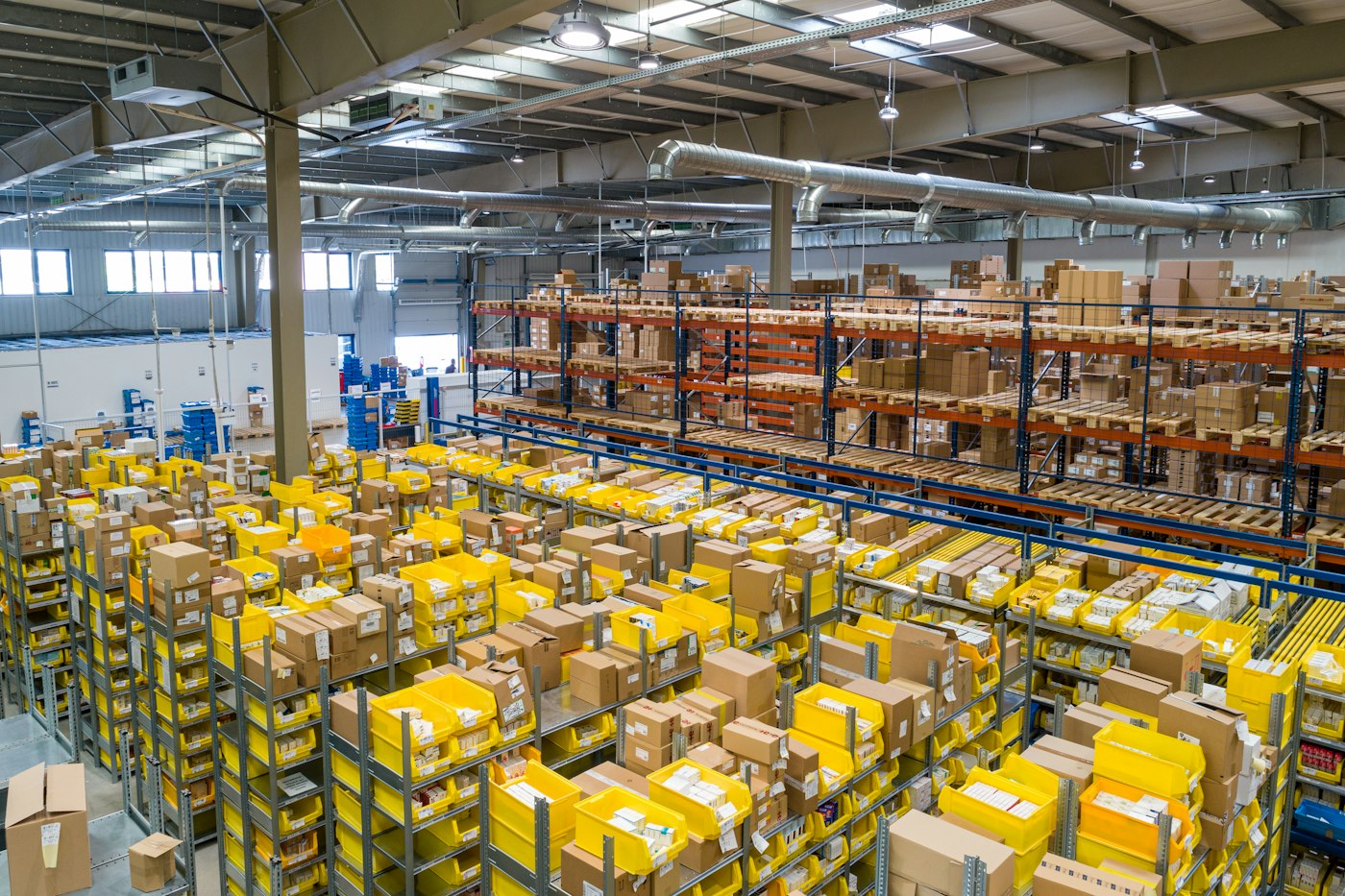
Japanese exhibition venues operate on schedules that are set well in advance and rarely flex. Deliveries are assigned to specific time slots during move-in periods, and arriving outside that window — even by a short margin — can mean your materials don't reach your booth before the show opens.
This is one of the most common problems overseas exhibitors encounter, and it's almost always avoidable. The solution is to confirm your delivery slot early, build in buffer time for international shipping delays, and have a local contact who can manage last-minute changes directly with the venue.
Every Venue Has Its Own Rules — and Its Own Approved Vendors
There is no single set of rules that applies to all Japanese exhibition venues. Each facility has its own guidelines for booth construction, electrical work, flooring, and logistics — and many require you to use their designated contractors for specific services. Bringing in outside vendors, or failing to submit the right documentation, can result in your setup being stopped on-site.
Navigating this requires local knowledge. The rules are usually communicated in Japanese, the documentation requirements vary by show, and the consequences of getting it wrong tend to surface at the worst possible moment — during setup, when there's no time to fix them.
Common compliance failures for overseas exhibitors
Shipping to Japan Requires More Preparation Than Most Markets
International shipments destined for Japanese exhibitions face a specific set of challenges: customs clearance timelines, strict packaging requirements, and documentation that needs to be accurate before anything enters the country. An error in labeling or an incomplete customs declaration can hold your shipment at the border — and Japanese customs does not operate on exhibition schedules.
Planning for this means starting the shipping process earlier than feels necessary, working with freight forwarders who have specific Japan experience, and building in contingency time for clearance delays. For smaller or first-time shipments, temporary import procedures may also be an option worth exploring — particularly for display materials that will be returned after the show.
Multiple Vendors, One Timeline — Coordination Is Everything
A standard exhibition setup in Japan involves booth construction, electrical and internet installation, logistics and delivery, and often equipment rental — all happening in parallel, often within a compressed move-in window. Each of these is handled by a different vendor, each with their own schedule and point of contact, and almost all communication happens in Japanese.
Without someone managing the coordination between these vendors in real time, gaps appear. One vendor finishes late and blocks another. A delivery arrives when no one is on-site to receive it. A miscommunication about electrical specifications means a delay waiting for a revised setup. These are all preventable — but only if someone is actively managing the moving parts.
The problems that derail exhibitions in Japan rarely announce themselves in advance. They surface during setup — when there's no margin left to fix them.
On Exhibition Day, You Need Problems Solved — Not Reported
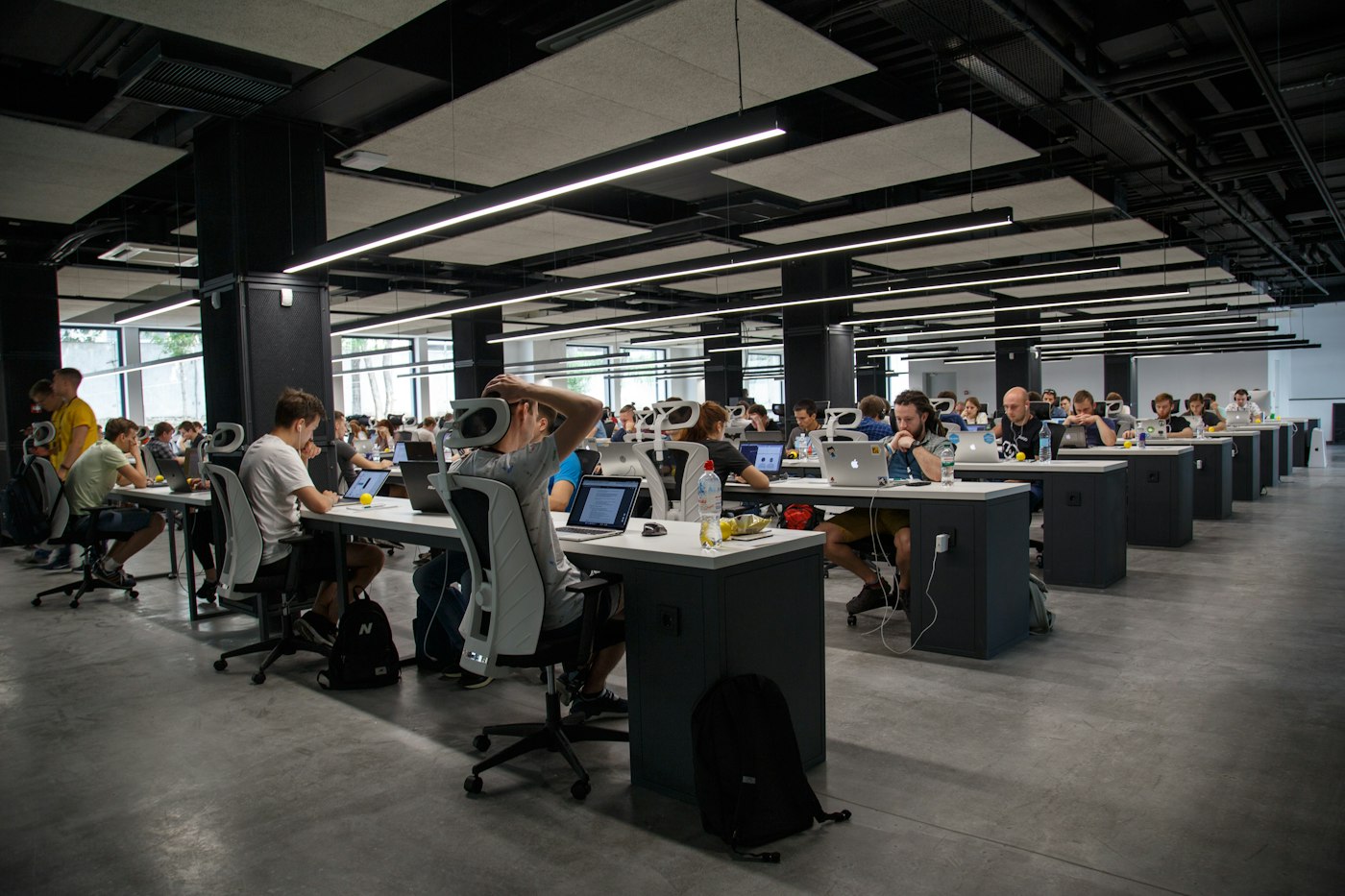
Last-minute changes are a reality of live exhibitions everywhere. A piece of equipment doesn't arrive. A setup detail needs to be adjusted. A vendor shows up with a question you can't answer in Japanese. In most markets, these are minor inconveniences. In Japan, where vendors and staff often communicate exclusively in Japanese, they can escalate quickly.
Having a local support person on-site — someone who can speak directly with venue staff, respond to changes as they happen, and make decisions without needing to route everything through a remote contact — is the difference between a disruption that gets handled and one that affects your entire day.
The Real Risk Is Coordination, Not Complexity
Overseas exhibitors sometimes assume the logistics challenge in Japan is about technical complexity — unusual rules, unfamiliar processes. In practice, the bigger risk is simpler than that: it's the gap between what you planned and what actually happens when multiple parties are executing simultaneously in a language you don't speak.
Working with a local team that manages all vendor communication, ensures compliance with venue rules, and handles unexpected issues in Japanese removes that gap entirely. It doesn't just reduce stress — it changes the risk profile of the entire operation.
Let the Operational Side Run Quietly — So You Can Focus on Results
You came to Japan to meet potential clients, build relationships, and grow your business. Every hour spent managing a delivery dispute, chasing a vendor, or trying to communicate a setup issue through a translation app is an hour that isn't going toward that.
When the logistics are handled properly — planned early, coordinated locally, and supported on-site — the exhibition floor is where it should be: a focused opportunity to have the conversations that matter. That's the outcome good logistics planning is actually designed to produce.
What We Handle for You at K's International
End-to-end logistics support for overseas exhibitors — all in English
Shipping & Customs
Freight coordination, customs clearance, and delivery to venue — planned to schedule.
Venue Compliance
All documentation, approvals, and vendor coordination handled in Japanese.
Setup & Teardown
On-site management of booth construction, utilities, and move-out — start to finish.
On-Site Support
Bilingual staff on the floor to handle vendors, changes, and unexpected issues in real time.
Exhibition Guide Series
More guides for overseas exhibitors in Japan
Want a Smooth Exhibition Experience in Japan?
Get a clear quote within 24 hours.
Tell us about your exhibition and we'll come back with a straightforward proposal. No obligation.
Request a QuoteWe respond within 24 hours.